Categories
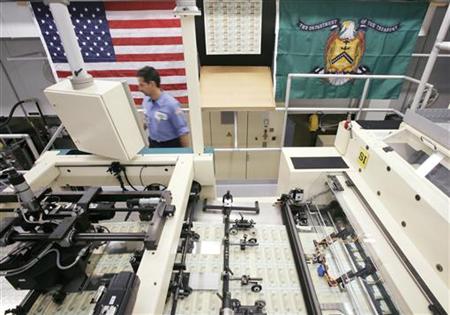
The U.S. economy lost the title of “world’s biggest” to the euro zone this week as the value of the dollar slumped in currency markets.
Taking the gross domestic product of both economies in 2007, the combined GDP of the 15 countries which use the euro overtook that of the United States when the European currency surged to a record high of more than $1.56 per euro.
Source: Reuters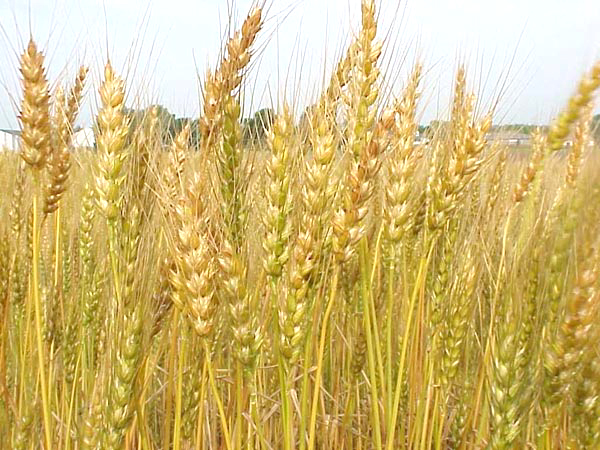
The world’s food situation is bleak, and shortsighted policies in the United States and other wealthy countries — which are diverting crops to environmentally dubious biofuels — bear much of the blame.
According to the United Nations Food and Agriculture Organization, the price of wheat is more than 80 percent higher than a year ago, and corn prices are up by a quarter. Global cereal stocks have fallen to their lowest level since 1982.
Source: New York TimesEconomy/Finance, Iraq, Middle East, US Empire/Militarism, War on Terror
February 26

The three trillion dollar war
The Bush Administration was wrong about the benefits of the war and it was wrong about the costs of the war. The president and his advisers expected a quick, inexpensive conflict. Instead, we have a war that is costing more than anyone could have imagined.
The cost of direct US military operations - not even including long-term costs such as taking care of wounded veterans - already exceeds the cost of the 12-year war in Vietnam and is more than double the cost of the Korean War.
Source: Times Online
A confidential proposal that Bank of America circulated to members of Congress this month provides a stunning glimpse of how quickly the industry has reversed its laissez-faire disdain for second-guessing by the government — now that it is in trouble.
The proposal warns that up to $739 billion in mortgages are at “moderate to high risk†of defaulting over the next five years and that millions of families could lose their homes.
Economy/Finance, Environment, Food/Agriculture
February 14
Insight: The next crisis will be over food
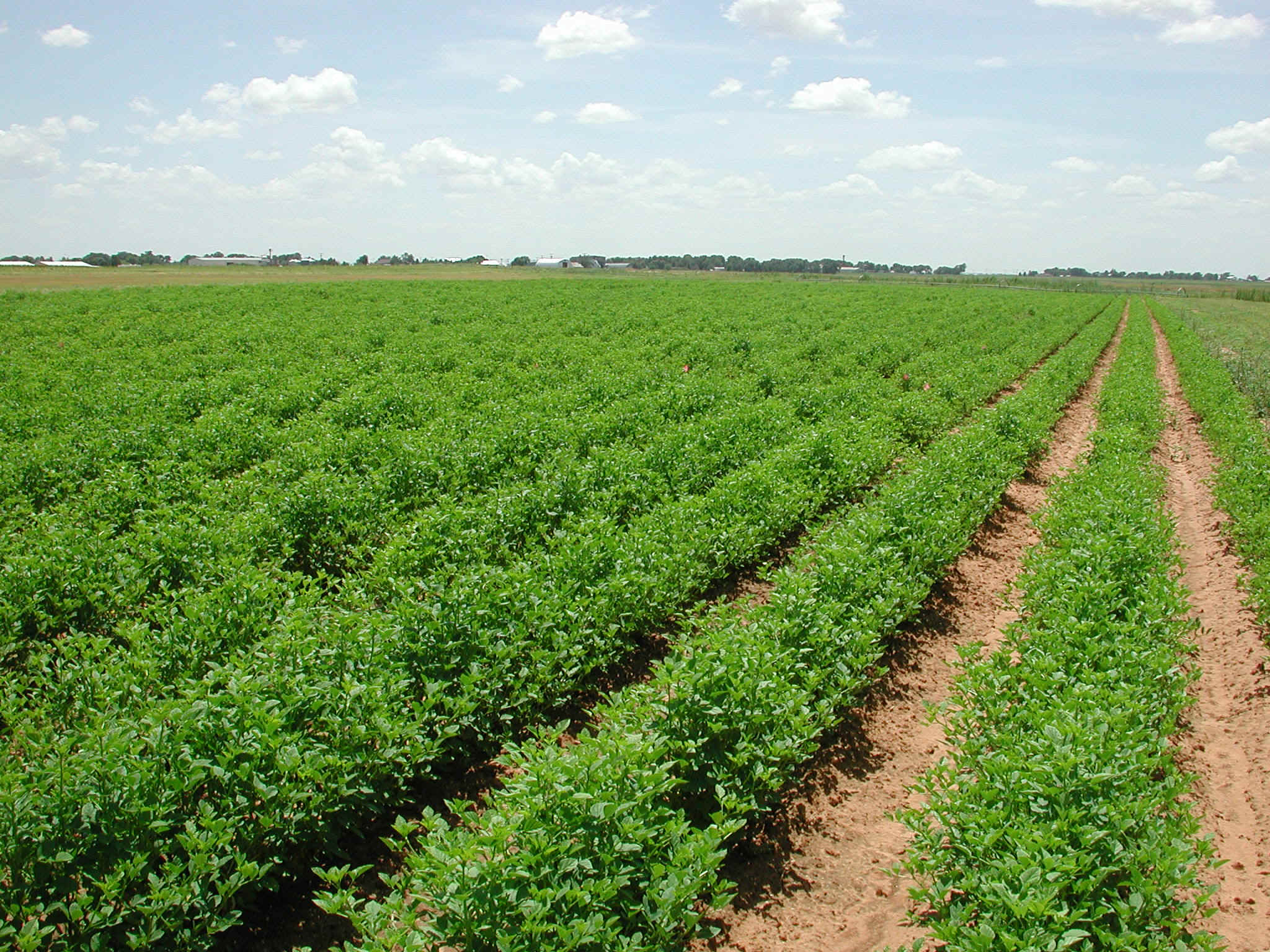
What is really catching the attention of Goldman Sachs now is the outlook for agricultural prices. Or as Jeff Currie, head of commodities research at the US bank, says with disarming cheer: “We think we could go into crisis mode in many commodities sectors in the next 12 to 18 months . . . and I would argue that agriculture is key here.â€
Now, to some readers of the Financial Times, that observation might seem odd. After all, inhabitants of the western world typically spend far more time worrying about the price of petrol for their car, rather than the price of wheat or corn. And when western investors do think about “commodity shockâ€, their reference point typically tends to be the 1970s oil crisis.
Source: Financial Times