Categories
Bush Administration, Civil Rights, Intelligence, Surveillance, War on Terror
August 4
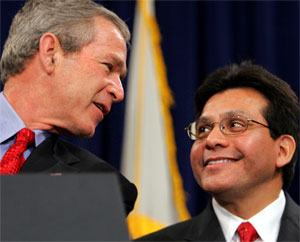
Congress yields to pass Bush spying bill
The Congress yielded to President George W. Bush on Saturday and approved legislation to temporarily expand the government’s power to conduct electronic surveillance without a court order in tracking foreign suspects.
“We think it is not the bill that ought to pass,” said House Majority Leader Steny Hoyer. But Hoyer conceded he and fellow Democrats were unable to stop the measure after a showdown with the White House amid warnings of possible attacks on the United States.
Source: ReutersCorruption, Intelligence, War on Terror
August 3
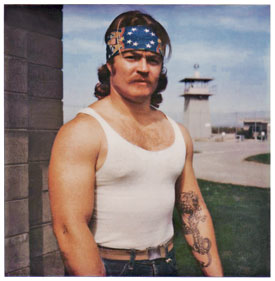
In Search of John Doe No. 2: The Story the Feds Never Told About the Oklahoma City Bombing
Federal officials insist that the Oklahoma City bombing case was solved a decade ago. But a Salt Lake City lawyer in search of his brother’s killers has dug up some remarkable clues—on cross-dressing bank robbers, the FBI, and the mysterious third man.
See the Democracy Now! transcript and video as well.
Source: Mother JonesBush Administration, Civil Rights, Surveillance
August 1
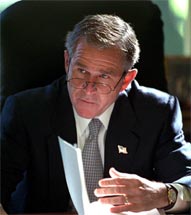
Bush Administration’s intelligence chief acknowledges ‘series’ of other ‘secret surveillance activities’
President Bush authorized a “series of secret surveillance activities” by executive order after Sept. 11, 2001, according to a letter from Bush Director of National Intelligence Mike McConnell to Sen. Arlen Specter (R-PA).
The disclosure marks the first time “that the administration has publicly acknowledged that Bush’s order included undisclosed activities beyond the warrantless surveillance of e-mails and phone calls that Bush confirmed in December 2005,” according to the Washington Post.
Source: Raw Story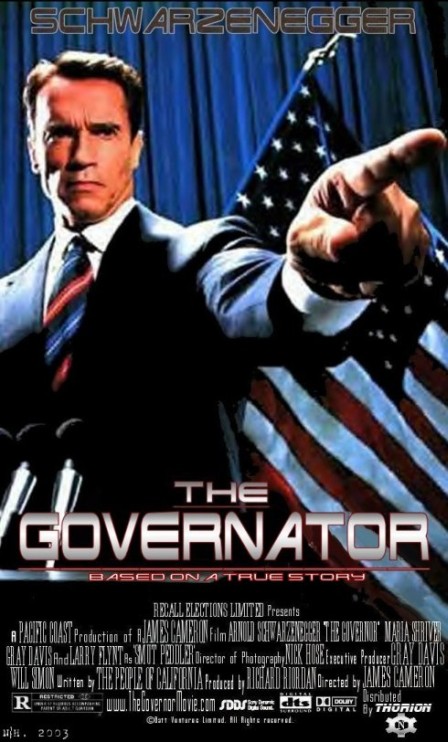
Two weeks ago, one of the most important Republican lawyers in Sacramento quietly filed a ballot initiative that would end the practice of granting all fifty-five of California’s electoral votes to the statewide winner. Instead, it would award two of them to the statewide winner and the rest, one by one, to the winner in each congressional district. Nineteen of the fifty-three districts are represented by Republicans, but Bush carried twenty-two districts in 2004. The bottom line is that the initiative, if passed, would spot the Republican ticket something in the neighborhood of twenty electoral votes-votes that it wouldn’t get under the rules prevailing in every other sizable state in the Union.
Source: The New YorkerEarlier this year, Texas trial lawyer Stephen Susman told the Dallas Morning News that “You’re going to see some really serious exposure on the part of companies that are emitting CO2.” He added, for good measure, that “I can’t say for sure it’s going to be as big as the tobacco settlements, but then again it may even be bigger.”
Source: Examiner